


Wszystkie produkty
-
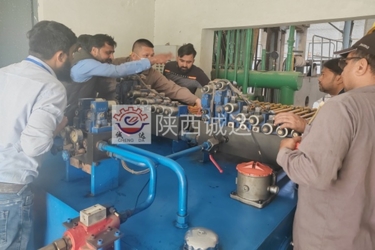 Syed Rashid Ahmed ButtShaanxi Chengda Industrial Furnace Co., Ltd. zakończyła uruchomienie elektrycznego pieca łukowego, pracownicy starannie współpracowali z inżynierami Chengda, aby nauczyć się i obsługiwać sprzęt,wyrażając głęboką przyjaźń i doskonałą współpracę między narodami Chin i Pakistanu.
 -
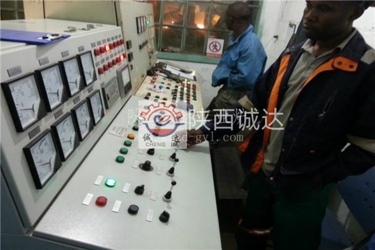 AboubacarPo ponad miesiącu intensywnej produkcji i debugowania,2 zestawy urządzeń komory osadzenia gazu spalinowego wymiennika ciepła zostały pomyślnie uruchomione ~ Wszyscy pracownicy zaangażowani w projekt ciężko pracowali- Nie!
 -
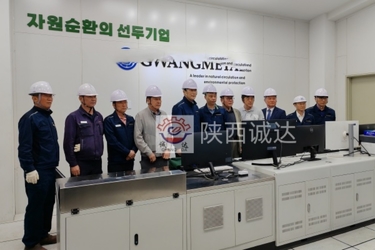 Ji-hwan.Serdeczne gratulacje Shaanxi Chengda Industrial Furnace Manufacturing Company w Korei Południowej,Instalacja urządzeń pieca do topienia metali szlachetnych w hrabstwie Chungcheong Północny oraz dokładna produkcja i ścisłe uruchomienie, z niecierpliwością oczekując na przyszłość w większej liczbie dziedzin, aby osiągnąć obopólnie korzystną i korzystną współpracę!
Osoba kontaktowa :
Du
Numer telefonu :
13991381852
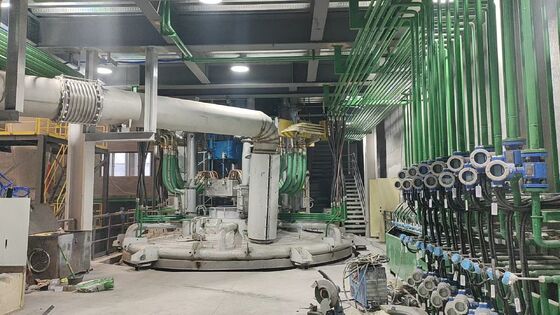
Piece elektryczne z wełny z kamienia Fly Ash
| Miejsce pochodzenia | Chiny |
|---|---|
| Nazwa handlowa | Shaanxi Chengda |
| Orzecznictwo | ISO 9001 |
| Numer modelu | Negocjuj w oparciu o wydajność przetwarzania sprzętu |
| Minimalne zamówienie | 1 jednostka |
| Cena | The price will be negotiated based on the technical requirements and supply scope of Party A |
| Szczegóły pakowania | Omów zgodnie ze specyficznymi wymaganiami Strony A |
| Czas dostawy | 2 miesiące |
| Zasady płatności | Akredytywa, T/T, Western Union |
| Możliwość Supply | Kompletny łańcuch dostaw produkcji, dostarczaj na czas i spełniaj standardy jakości |
Szczegóły Produktu
| Podkreślić | piece do wełny z popiołów płynących,pieca elektryczna do odpadów niebezpiecznych,piec do przetwarzania odpadów stałych |
||
|---|---|---|---|
opis produktu
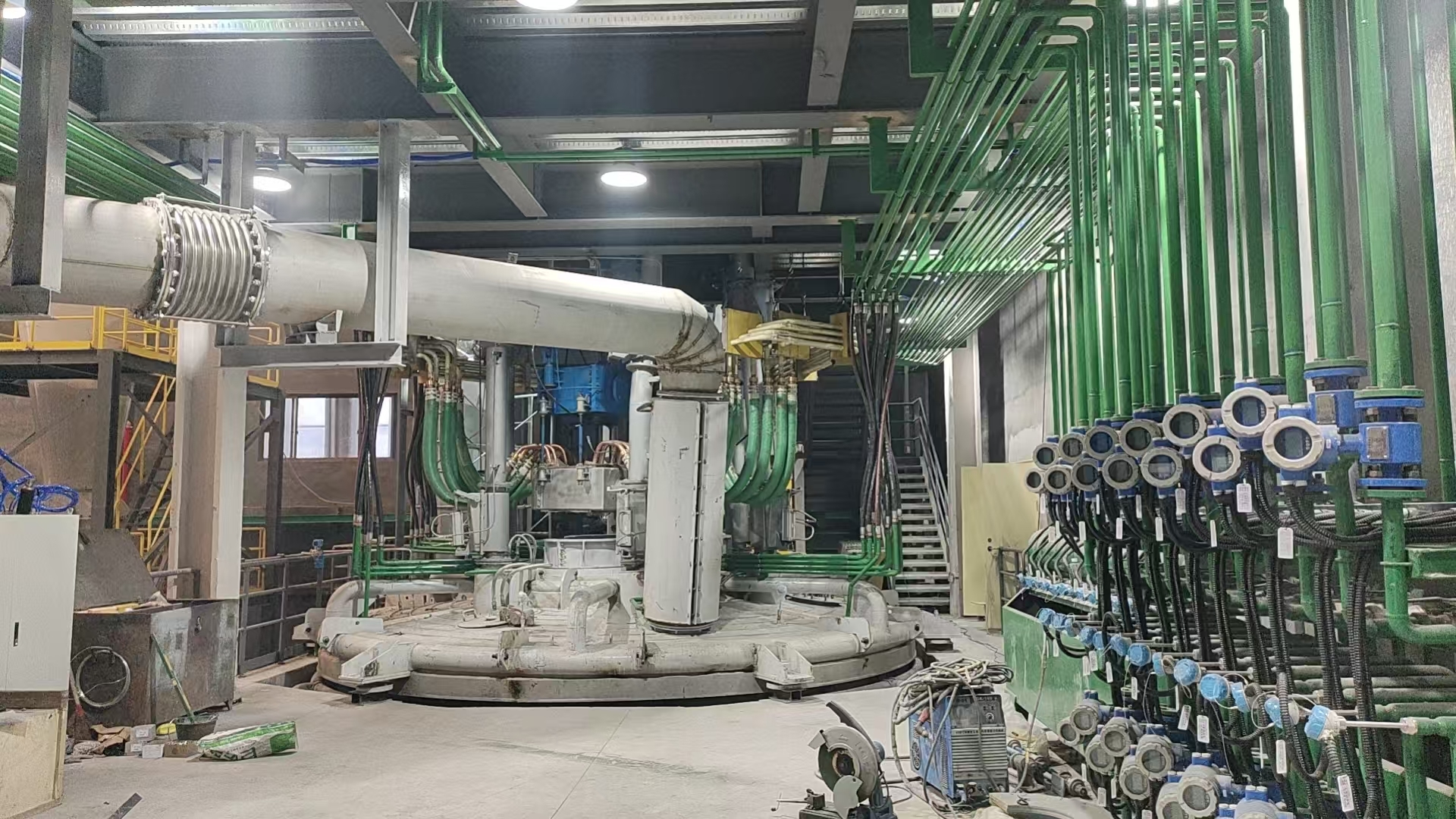
Wprowadzenie do elektrycznego pieca do wełny skalnej z popiołu lotnego
Elektryczny piec do wełny skalnej z popiołu lotnego to specjalistyczny piec do topienia łukowego zanurzonego, przeznaczony dowitryfikacji w wysokiej temperaturze popiołu lotnego ze spalania odpadów komunalnychi produkcji wysokiej jakości materiałów izolacyjnych z wełny skalnej. Konwertuje niebezpieczny popiół lotny w wartościową wełnę skalną poprzez ogrzewanie elektryczne, osiągając jednocześnie utylizację bez szkody i recykling zasobów.
Podstawowa zasada działania
- Przygotowanie surowca: Popiół lotny miesza się z modyfikatorami (np. wapnem, skaleniem) w celu dostosowania współczynnika kwasowości (1,5-2,0) i lepkości stopu.
- Topienie elektryczne: Trójfazowy prąd przemienny lub stały generuje łuki zanurzone, ogrzewając piec do1350-1550°Cw celu pełnego stopienia mieszaniny w jednorodny stopiony żużel.
- Witryfikacja i oczyszczanie: Wysoka temperatura rozkłada dioksyny (wskaźnik zniszczenia >99,99%) i stabilizuje metale ciężkie w fazie szklistej.
- Formowanie włókien: Stopiony żużel przepływa w sposób ciągły do wirówki przy3,3-4,0 t/hw celu utworzenia włókien wełny skalnej.
Główna konstrukcja
- Korpus pieca: Stalowa obudowa z wyściółką ogniotrwałą MgO-C o wysokiej czystości, odporną na wysoką temperaturę i żrący żużel.
- System elektrod: 3 elektrody grafitowe (φ400-600 mm) z automatycznym podnoszeniem; zasilane przez dedykowany transformator.
- Zasilanie: Moc transformatora3000-10000 kVA(typowa: 5000-7500 kVA).
- Przechylanie i spust: Hydrauliczne przechylanie (maks. 45°) i spust denny do ciągłego odprowadzania żużla.
- System sterowania: PLC/DCS do automatycznej regulacji temperatury, mocy i przepływu.
- Systemy pomocnicze: Odbiór pyłu, odzysk ciepła odpadowego i oczyszczanie gazów spalinowych.
Typowe parametry techniczne
| Parametr | Typowy zakres | Typowy piec 7500 kVA |
|---|---|---|
| Moc transformatora | 3000-10000 kVA | 7500 kVA |
| Średnica wewnętrzna korpusu pieca | φ5200-6500 mm | φ6200 mm |
| Temperatura topnienia | 1350-1550°C | 1450°C |
| Przepływ stopionego żużla | 3,3-4,0 t/h | 3,8 t/h |
| Współczynnik kwasowości żużla | 1,5-2,0 | 1,8±0,3 |
| Cykl topnienia | Praca ciągła | >8000 godzin/rok |
| Wydajność godzinowa (wełna skalna) | 4-6 t/h | 5,5 t/h |
| Wydajność roczna | 30000-50000 t | 45000 t |
| Jednostkowe zużycie energii | 300-400 kWh/t | 350 kWh/t |
| Zużycie elektrod | 1,5-2,5 kg/t | 2,0 kg/t |
| Wskaźnik zniszczenia dioksyn | >99,99% | >99,99% |
| Redukcja węgla | ~245 kg CO₂/t | ~245 kg CO₂/t |
Specyfikacje produktu (wełna skalna)
| Pozycja | Standard |
|---|---|
| Gęstość | 60-150 kg/m³ |
| Przewodność cieplna | ≤0,044 W/(m·K) |
| Współczynnik kwasowości | ≥1,8 |
| Średnica włókna | ≤7,0 μm |
| Odporność ogniowa | Niepalny (klasa A) |
| Wymywanie metali ciężkich | Zgodne z GB/T 41015-2021 |
Kluczowe zalety
- Utylizacja bez szkody: Niszczy dioksyny i stabilizuje metale ciężkie, w pełni zgodne ze standardami przetwarzania popiołu lotnego.
- Recykling zasobów: Konwertuje odpady niebezpieczne w wysokowartościowy materiał izolacyjny.
- Energooszczędność: Ogrzewanie elektryczne zmniejsza zużycie energii o >40% w porównaniu do pieców koksowniczych.
- Stabilna jakość: Precyzyjna kontrola temperatury zapewnia jednolite właściwości włókien.
- Niska emisja: Zanieczyszczenie pyłem i gazami spalinowymi bliskie zeru.
- Długa żywotność: Praca ciągła >8000 godzin rocznie.
Typowy proces aplikacji
- Dozowanie: Popiół lotny + modyfikatory → proporcjonowanie i mieszanie.
- Ładowanie: Ciągłe podawanie do pieca elektrycznego.
- Topienie: Ogrzewanie łukiem zanurzonym w celu utworzenia stopionego żużla.
- Rafinacja: Homogenizacja żużla i usuwanie zanieczyszczeń.
- Włóknienie: Żużel → wirówka → włókna wełny skalnej.
- Obróbka końcowa: Chłodzenie, utwardzanie i cięcie na gotowe produkty.
Zastosowania
- Oczyszczanie odpadów: Utylizacja bez szkody popiołu lotnego ze spalania odpadów komunalnych.
- Izolacja budynków: Wysokowydajna wełna skalna do ścian, dachów i rurociągów.
- Izolacja przemysłowa: Izolacja wysokotemperaturowa pieców i urządzeń.
Polecane produkty
